Marietta Fast Locksmith Service Team
Local locksmith team
Aug 21, 2026 10 min read

You call a locksmith at 11 p.m. because your key snapped off in your front door lock on Roswell Road, and the first thing you hear after 'we can be there in 20 minutes' is a mention of a call-out fee. Your first instinct might be to wonder what that charge actually covers — and whether it gets rolled into the rest of the bill. You are not alone. This is one of the most common questions homeowners and drivers in the Marietta area ask before they agree to any service.
A locksmith call-out fee and the labor or parts charge that follows it are two separate things, and understanding the difference protects you from bill shock. This article breaks down exactly how call-out fees work, what they pay for, how they interact with the rest of your invoice, and what questions to ask before you say 'come on over.' We will also touch on the types of locks — from a standard door knob lock to a mortise lock — that affect how your total cost is calculated, so you walk into every locksmith call with your eyes open.
## What Is a Locksmith Call-Out Fee, Exactly?
A locksmith call-out fee — sometimes called a dispatch fee or trip charge — is a flat charge that covers the cost of getting a trained technician to your location. Think of it the way you think of a delivery charge on an order: it pays for the vehicle, the fuel, the drive time, and the fact that a skilled professional is now committed to your job and unavailable for other calls while en route. It is not a deposit, and it is not a down payment on labor. It is simply the cost of mobilizing a mobile locksmith to your door.
The call-out fee exists because a mobile locksmith business operates very differently from a shop you walk into. Every job requires a technician to load tools, drive across town — sometimes across the length of Marietta from the Town Square area out toward the East Cobb corridor or down to the I-75 interchange — and then assess your specific situation on arrival. None of that happens for free, and the call-out fee is the transparent way of accounting for it rather than hiding those costs inside inflated labor rates.
## How the Call-Out Fee Differs from the Labor and Parts Charge
Here is the key distinction: the call-out fee gets you to the point where a technician is standing at your door, tools in hand, ready to assess the job. Everything that happens after that assessment — the actual work on your lock — is billed separately based on what the job actually requires. A simple lockout on a standard door knob lock is a very different scope of work from rekeying a mortise lock on a historic home or cutting a high-security transponder key for a late-model vehicle.
Several factors shape the labor and parts portion of your bill: the type of lock or vehicle involved, the time of day (emergency overnight calls carry different rates than mid-afternoon appointments), the travel distance from our nearest technician to your address, and any hardware or parts needed to complete the job. What never changes is our commitment to confirm an exact, up-front price before any work begins. You will know the full number — call-out fee included — before a single tool touches your lock. If anything about the scope changes once the technician opens up the lock, you are told immediately and asked to approve the revised figure.
## Mortise Lock, Rim Lock, and Door Knob Lock: Why Lock Type Matters for Your Bill
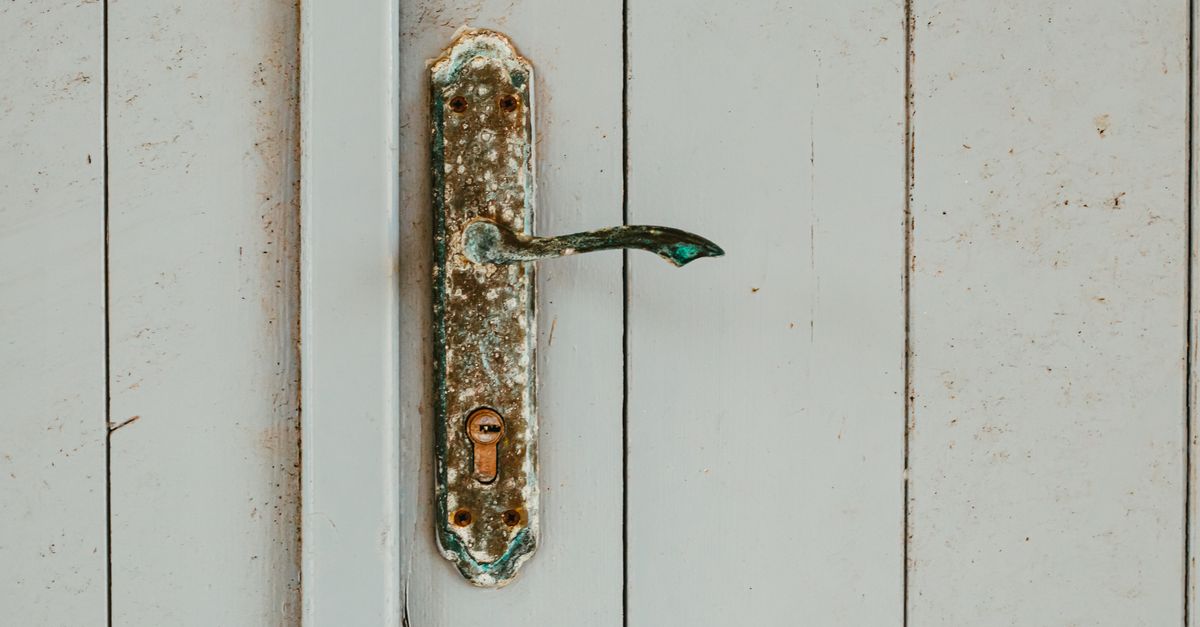
Not all locks take the same time or tools to service, and that is one reason your total invoice can vary considerably from a neighbor's locksmith call even for what sounds like the same situation. A mortise lock — the rectangular lock body that sits inside a pocket (the 'mortise') cut into the door edge — is a more complex mechanism than a cylindrical door knob lock. What is a mortise lock in practical terms? It is the type of lock you commonly find on older Marietta craftsman homes, commercial storefronts along Whitlock Avenue, and upscale entry doors. It has more internal components, which means rekeying a mortise lock or gaining entry after a lockout takes longer and requires more specialized tools than working on a standard knob lock.
A rim lock is a surface-mounted lock fixed to the inside face of the door rather than recessed into it — common on older wooden doors and some commercial applications. The rim cylinder is the plug that accepts the key on a rim lock, and replacing or rekeying just the rim cylinder is a different task from replacing the entire rim lock case. Knowing what is a rim lock versus what is a mortise lock helps you have an informed conversation with your technician and understand why two seemingly similar jobs can land at different price points. When you call us, our dispatcher will ask you a few quick questions about your lock type so the technician arrives prepared with the right tools and parts — which keeps your wait time short and your job efficient. If you are not sure what type of lock you have, that is perfectly fine; describing its appearance is enough for us to make an educated guess before we arrive.
Need help right now? Call (770) 202-1324 — we answer 24/7 and can walk you through what to expect before we even dispatch a technician.
## What Proof Do I Need for a Locksmith, and What Happens When We Arrive?
A legitimate locksmith will always verify that you have the right to access the property or vehicle before doing any work. This is not bureaucratic red tape — it is a professional and ethical standard that protects you as much as it protects your neighbors. For a home lockout, expect to show a government-issued photo ID and, where possible, something that links you to the address: a piece of mail, a lease agreement, a vehicle registration if the address matches. For a car lockout, your driver's license and vehicle registration are the standard combination.
Once ownership is confirmed, your technician will assess the lock — whether it is a mortise lock, a rim lock, a standard door knob lock, or an automotive lock — and give you a firm quote before touching anything. At Marietta Fast Locksmith, our technicians are experienced with the full range of residential, commercial, and automotive hardware you are likely to encounter across Marietta, Cobb County, and the surrounding communities. We carry parts for common lock brands, including Schlage and Kwikset hardware, so most jobs can be completed in a single visit without a return trip.
## How Much Is a Locksmith Per Hour, and Is There a Mobile Locksmith in Marietta, GA?
Many locksmiths charge per job rather than strictly per hour, which means the 'hourly rate' question can be misleading. A technician might complete a simple lockout in fifteen minutes but bring years of training and thousands of dollars of specialized equipment to your driveway to do it. The more useful question is: what determines my total cost? The answer comes back to the same factors mentioned earlier — lock complexity (rekeying or replacing a mortise lock takes longer than a simple knob lock), time of day, travel distance, and parts. A 24/7 emergency locksmith call at 2 a.m. will typically cost more than a scheduled appointment during business hours, because you are paying for immediate availability when most people are asleep.
Yes — Marietta Fast Locksmith is a fully mobile locksmith serving the Marietta area around the clock. We do not operate out of a fixed shop that you drive to. Our technicians come to you, whether you are locked out of your home near Kennesaw Mountain, stranded in a parking deck off Atlanta Road, or need a lock rekeyed at your office on South Marietta Parkway. As for what good locksmiths in Marietta, GA look like: they give you a clear up-front quote, verify your identity before any work, arrive with the right tools for the job, and are reachable at any hour. Our team is insured, experienced across residential, commercial, and automotive services, and built around the kind of transparency that makes a stressful situation feel manageable. Call (770) 202-1324 any time — day or night — and a real person will pick up.
Frequently asked questions
What is a locksmith call-out fee?+
A call-out fee — also called a trip charge or dispatch fee — is a flat charge that covers the cost of sending a mobile locksmith technician to your location. It pays for travel time, fuel, and the commitment of a skilled professional to your job. It is separate from the labor or parts charges that apply once the technician begins work on your lock or vehicle. At Marietta Fast Locksmith, we confirm the total cost, including the call-out fee, before any work begins so there are no surprises on your final bill.
How do you rekey a door lock, and can a locksmith do it the same day?+
Rekeying a door lock means changing the internal pin configuration inside the lock cylinder so that only a new key will operate it — the lock hardware itself stays in place. The process involves removing the cylinder, replacing the driver pins and key pins with a new combination, and reassembling everything. For most standard cylindrical locks, an experienced locksmith can complete the job quickly during a single visit. Rekeying a mortise lock takes a bit longer because the cylinder is recessed inside a more complex lock body, but it is still typically a same-visit service. Call us at (770) 202-1324 and we can schedule a same-day or emergency appointment depending on your timeline.
What proof do I need to show a locksmith before they work on my home or car?+
A professional locksmith will ask for a government-issued photo ID and evidence that links you to the property or vehicle. For a home lockout, that might be a piece of mail, a lease, or a utility bill showing your name and address. For a vehicle lockout, your driver's license paired with the vehicle's registration is the standard combination. This step protects everyone involved and is a mark of a legitimate, responsible locksmith. If a locksmith offers to bypass your lock without any verification, that is a red flag worth taking seriously.
What is a mortise lock, and is it harder to service than a regular lock?+
A mortise lock is a lock whose body is set into a rectangular pocket — the mortise — cut into the door's edge, rather than being surface-mounted or fitting through a simple hole like a cylindrical knob lock. Mortise locks are common on older homes, historic properties, and many commercial doors because of their strength and multi-point latch design. They have more internal components than standard knob or deadbolt locks, which means installation, rekeying, or repair typically takes more time and requires a technician experienced with that hardware. The extra complexity is reflected in the labor portion of your quote, which is why our technician confirms all details and gives you a firm price before starting any work.